
The Hidden Risks of Cassava: Why Proper Preparation is Essential
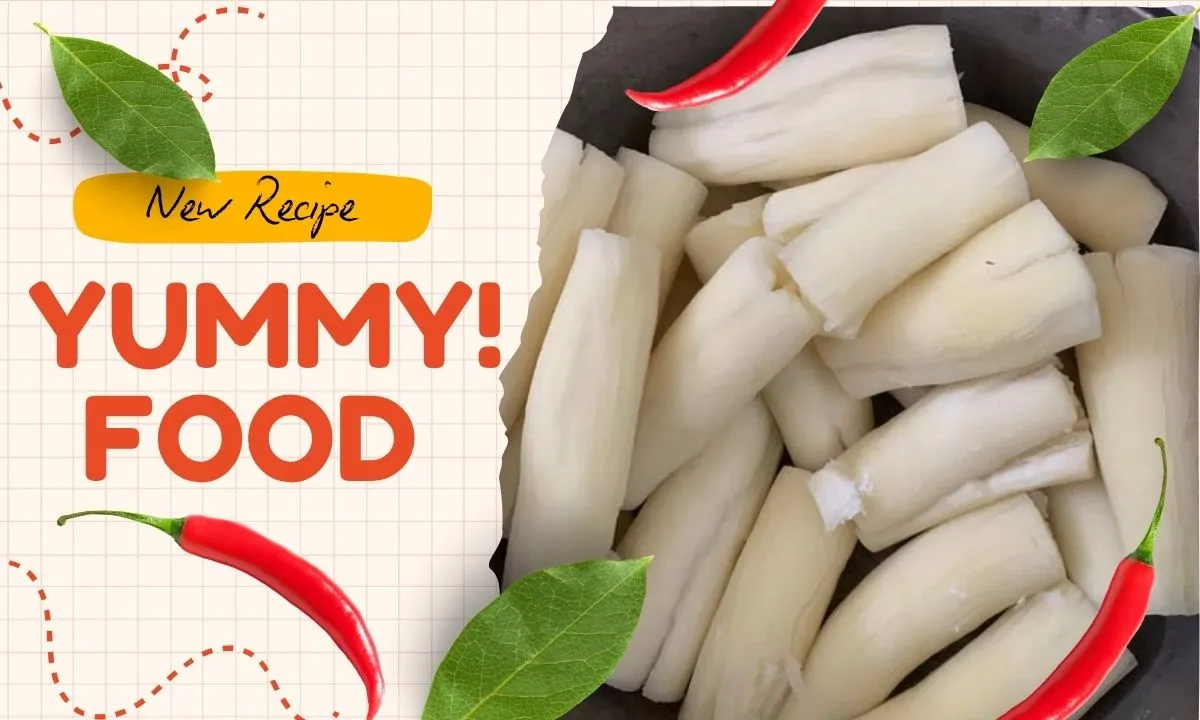
Cassava is a staple root vegetable for millions worldwide, valued for its versatility and high carbohydrate content. However, as shown in image_a6b2c4.jpg, this root requires careful handling. While it is a nutritious energy source, doctors warn that consuming raw or improperly prepared cassava can lead to serious health complications due to naturally occurring toxins.
The Cyanide Connection
The primary danger associated with cassava is the presence of cyanogenic glycosides, specifically linamarin. When raw cassava is chewed or crushed, these compounds are converted into hydrogen cyanide.
-
Acute Poisoning: Consuming high levels of cyanide can lead to rapid onset symptoms including dizziness, vomiting, tachypnea (rapid breathing), and in extreme cases, paralysis or death.
-
Chronic Exposure: Long-term consumption of poorly processed cassava is linked to Konzo, a permanent paralytic disease, and tropical ataxic neuropathy, which causes loss of sensation in the hands and feet.
How to Safely Prepare Cassava
To enjoy cassava safely, the “cyanide potential” must be removed through traditional processing methods. You should never consume cassava raw.
-
Peeling: The thick outer skin contains the highest concentration of toxins and must be completely removed.
-
Soaking: Submerging the tubers in water for 3 to 6 days allows the cyanogenic compounds to leach out and ferment, significantly reducing toxicity.
-
Boiling or Roasting: High temperatures help neutralize remaining toxins. Ensure the cassava is cooked until tender throughout, as seen in the prepared batch in image_a6b2c4.jpg.
-
Drying: Grating and sun-drying the root is another effective way to evaporate the volatile cyanide gas.
Who Should Be Most Cautious?
Medical professionals emphasize moderation and strict preparation for specific groups:
-
Children: Due to their smaller body mass, children are more susceptible to acute cyanide poisoning.
-
Individuals with Low-Protein Diets: Protein contains sulfur-based amino acids that help the body detoxify cyanide. Those with protein deficiencies are at a much higher risk for chronic neurological damage from cassava.
-
Iodine-Deficient Individuals: Cyanide interference can worsen goiters and thyroid dysfunction.
Conclusion
Cassava is a resilient and important crop, but it is not a “grab-and-go” vegetable. By following thorough peeling, soaking, and cooking rituals, you can eliminate the risks and safely incorporate this hearty root into a balanced diet. Always ensure that the cassava you consume has been processed correctly to avoid the “silent” dangers of cyanide exposure.