
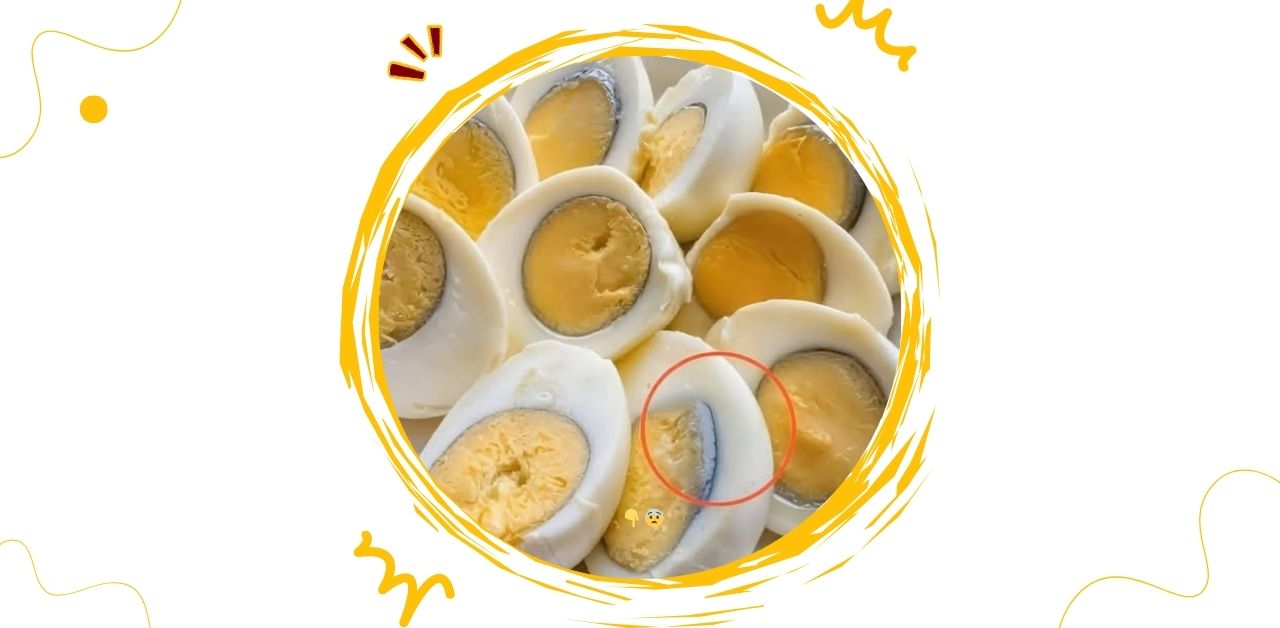
Boiled eggs are a simple, nutritious food, but sometimes they reveal a grayish-green ring around the yolk. Many people worry this means the egg is spoiled or unsafe. In reality, doctors and food scientists explain that this ring is a harmless cooking effect.
Why the Green Ring Appears
- Sulfur and iron reaction: The egg white contains sulfur, while the yolk contains iron. When heated too long, they react to form iron sulfide, which appears as a greenish ring.
- Overcooking eggs: Prolonged boiling or cooking at very high temperatures increases the chance of discoloration.
- Slow cooling: If eggs are not cooled quickly after cooking, the reaction continues, deepening the ring.
Is It Safe to Eat?
- Harmless discoloration: The green ring does not mean the egg is bad. It’s safe to eat.
- Nutritional value remains: Protein, vitamins, and minerals are unaffected.
- Taste changes: The yolk may taste slightly chalky, but the egg is still edible.
How to Prevent the Green Ring
- Correct cooking time: Boil eggs gently for 9–12 minutes depending on size.
- Gentle simmer: Avoid rapid boiling to reduce stress on the egg.
- Quick cooling: Place eggs in cold water immediately after cooking.
- Steaming method: Steaming eggs instead of boiling can prevent discoloration.
Practical Uses
- Deviled eggs: For recipes where appearance matters, proper cooking ensures bright yolks.
- Meal prep: Even with a green ring, eggs are excellent for snacks, salads, and sandwiches.
- Food science lesson: The green ring is a simple example of chemistry in everyday cooking.
Conclusion
Doctors emphasize that the green ring around egg yolks is not a health risk. It’s a natural reaction caused by overcooking or slow cooling. With a few adjustments in cooking and cooling, you can enjoy boiled eggs that are safe, nutritious, and visually appealing.