
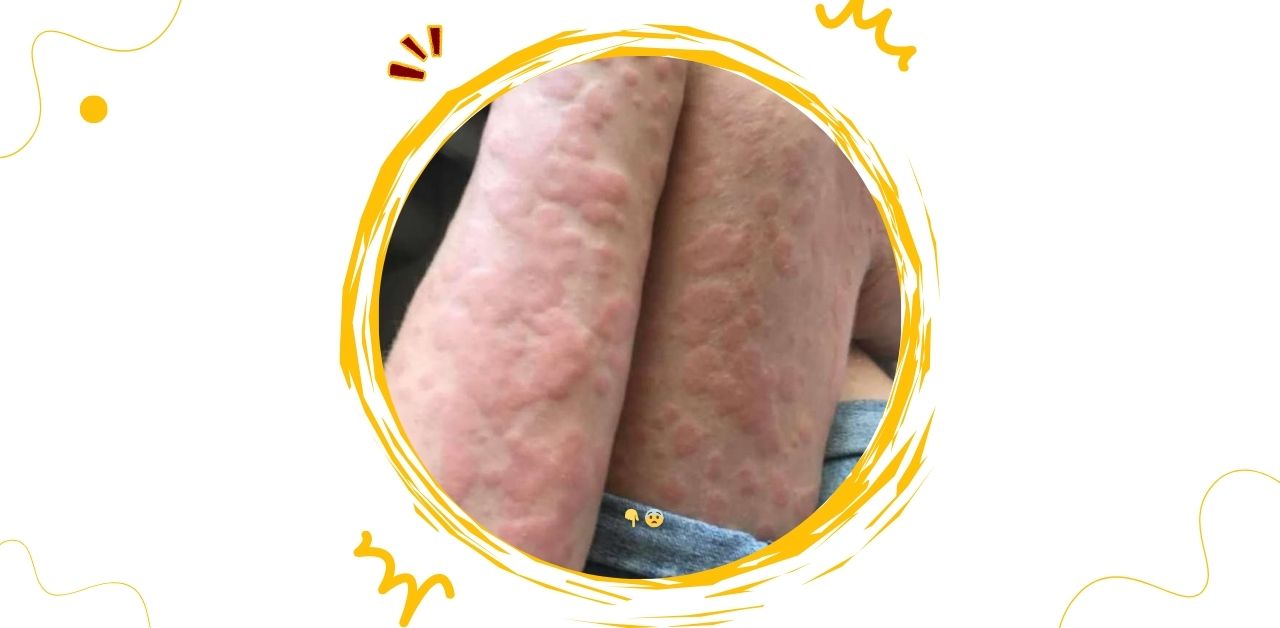
When someone’s body or behavior begins to show unusual signals, it can be a reflection of deeper issues. The phrase “clear signs that he is cr…” often points toward crisis, whether physical, emotional, or health-related. Recognizing these signs early is crucial for prevention, care, and support.
Physical Signals
- Visible skin reactions: Red, inflamed patches or welts on the skin may indicate allergic reactions, infections, or stress-related conditions.
- Sudden fatigue: Extreme tiredness without clear cause can be a warning of underlying illness.
- Weight changes: Rapid loss or gain often signals metabolic or emotional imbalance.
Emotional and Behavioral Signals
- Withdrawal from others: Avoiding family, friends, or social activities can be a sign of emotional distress.
- Mood swings: Sudden irritability, sadness, or anger may reflect mental health struggles.
- Loss of interest: When someone stops caring about hobbies or responsibilities, it can indicate depression or burnout.
Health-Related Signals
- Persistent pain: Ongoing discomfort in joints, muscles, or organs should never be ignored.
- Skin conditions: Chronic rashes, welts, or infections may point to immune system issues.
- Sleep disturbances: Insomnia or oversleeping often accompanies emotional or physical crisis.
Social and Professional Signals
- Decline in performance: Struggling at work or school can be a reflection of deeper problems.
- Neglect of appearance: Dirty nails, unkempt clothing, or poor hygiene may signal stress or depression.
- Conflict with others: Frequent arguments or aggression can be a cry for help.
Conclusion
Clear signs of crisis — whether physical, emotional, or social — should never be dismissed. They are signals that someone needs care, attention, and possibly professional help. Recognizing these signs early can make the difference between ongoing struggle and recovery.