
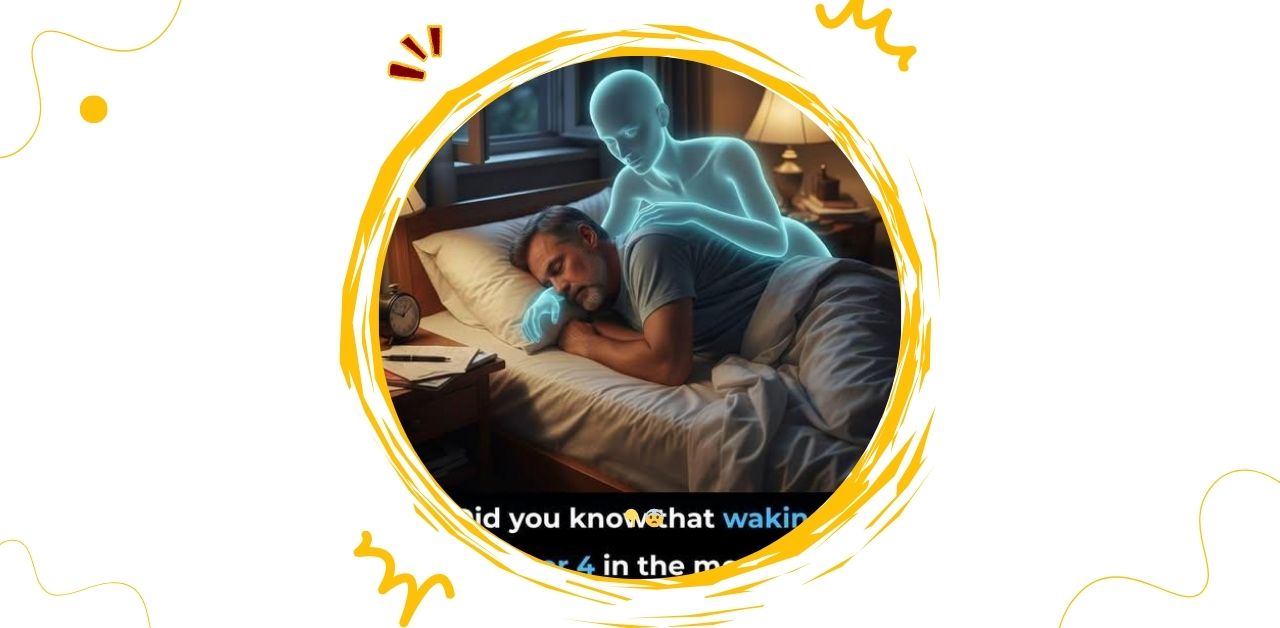
Many people experience waking up suddenly at 3 or 4 in the morning. While it may feel unsettling, this phenomenon has fascinated cultures, scientists, and spiritual thinkers for centuries. Is it simply biology, or does it carry deeper meaning?
🧠 The Biological Perspective
From a medical standpoint, waking up at these hours can be linked to natural sleep cycles. Human sleep follows a rhythm of light and deep stages, and around 3–4 AM, the body often transitions between them. Factors that may cause awakening include:
- Stress or anxiety: Elevated cortisol levels can disrupt sleep.
- Blood sugar dips: The body may trigger wakefulness when glucose levels drop.
- Sleep disorders: Conditions like insomnia or sleep apnea often manifest during these hours.
- Lifestyle habits: Late-night caffeine, alcohol, or irregular sleep schedules can play a role.
🌌 The Spiritual and Cultural View
Across traditions, waking at 3 AM has been interpreted as more than just biology:
- Chinese Medicine: The body’s energy clock suggests the liver (linked to emotional balance) is most active at this time. Waking up may signal unresolved emotions.
- Spiritual Beliefs: Some cultures call this the “veil hour,” when the boundary between the physical and spiritual world is thinnest. People report heightened intuition or vivid dreams.
- Symbolism: In folklore, waking at 3 AM is sometimes seen as a moment of reflection, urging individuals to confront hidden thoughts or suppressed feelings.
🌿 Practical Ways to Cope
If waking at 3 or 4 AM is frequent, here are gentle remedies:
- Mindful breathing: Calm the nervous system with slow, deep breaths.
- Herbal teas: Chamomile or valerian root can promote deeper rest.
- Consistent routine: Going to bed and waking up at the same time stabilizes sleep cycles.
- Journaling: Keep a notebook by your bed to release lingering thoughts before sleep.
- Limit stimulants: Reduce caffeine and screen time in the evening.
✨ Conclusion
Waking up at 3 or 4 AM can be a window into both your body’s rhythms and your inner world. Whether it’s a biological signal or a spiritual nudge, it invites you to pause, reflect, and care for your well-being. Instead of fearing these moments, embrace them as opportunities for self-awareness and balance.