
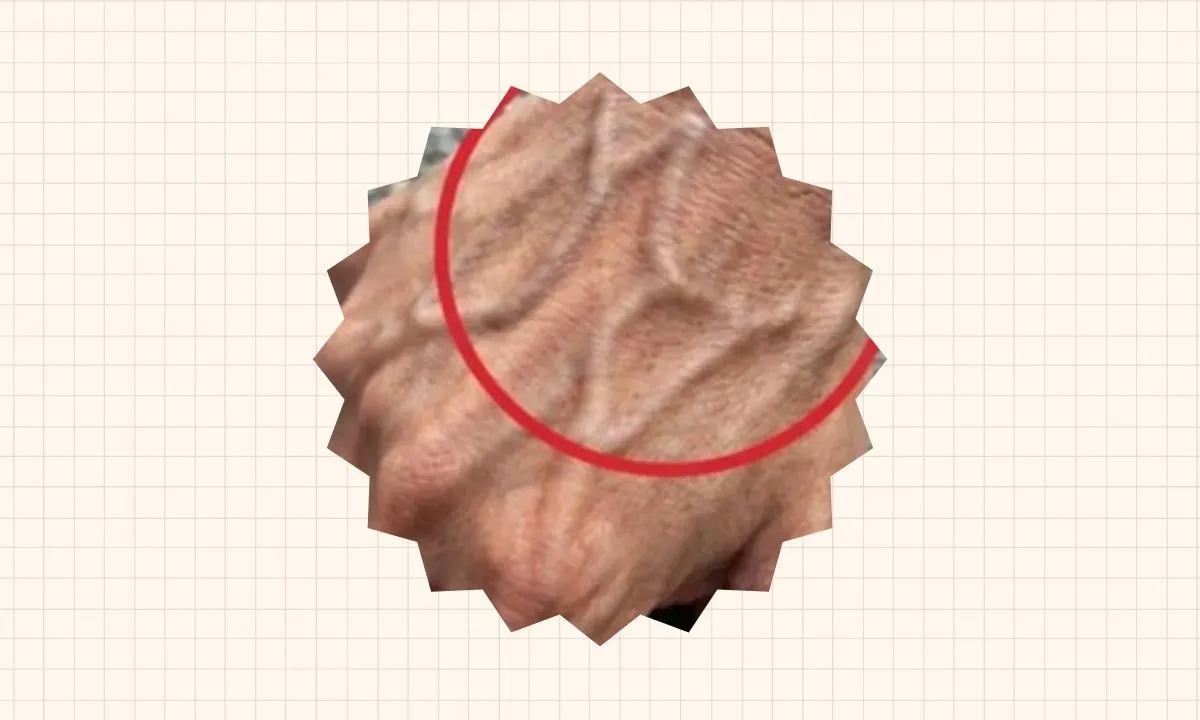
Visible veins, especially on the hands as seen in the provided image, are a common physiological occurrence. While some people associate them with specific health conditions, they are most often a natural result of aging, lifestyle, or genetics.
Understanding Visible Veins: Causes and Myths
Seeing prominent veins on your hands or arms is a phenomenon known as vascularity. In the majority of cases, these “bulging” veins are simply doing their job—carrying blood back to the heart—and their visibility is dictated by the layers of tissue above them.
Common Reasons for Visible Veins
There are several perfectly healthy reasons why your veins might appear more prominent:
-
Low Body Fat Percentage: This is the most common reason. Veins sit just beneath the skin. When there is less subcutaneous fat to cushion and hide them, they become much more visible to the naked eye.
-
Aging: As we age, our skin becomes thinner and loses elasticity. Additionally, the fatty tissue that once plumped the skin begins to dissipate, making the underlying vascular structure more apparent.
-
Physical Activity: During exercise, blood pressure rises and veins dilate to accommodate increased blood flow. Regular weightlifting or manual labor can lead to “permanent” vascularity as muscles push the veins closer to the skin’s surface.
-
Genetics: Some people are simply born with more prominent veins or more translucent skin.
-
Heat: On warm days, veins dilate (expand) to help the body cool down, which can make them look like they are popping out more than usual.
When Should You Be Concerned?
While the image shows what appears to be normal hand vascularity, there are times when visible veins are a symptom of an underlying issue:
-
Varicose Veins: Unlike the straight, functional veins in the hand, varicose veins are often twisted, dark purple or blue, and may cause an aching heavy feeling.
-
Thrombophlebitis: If the vein is accompanied by swelling, redness, and pain, it could indicate an inflammation or a blood clot.
-
Chronic Venous Insufficiency: If you notice bulging veins in the legs accompanied by skin color changes or ulcers, it may be a sign that your vein valves aren’t working properly.
Myths vs. Reality
There is a common misconception that visible veins mean you have high blood pressure. In reality, bulging veins are a sign of venous pressure (the pressure within the veins themselves) or simply thin skin, rather than arterial hypertension (high blood pressure).
Furthermore, some believe visible veins are a sign of dehydration. While severe dehydration can make veins look “sunken,” prominent, bulging veins are usually a sign of healthy blood volume and efficient circulation.
Conclusion
If your veins look like the ones in the image and are not accompanied by pain, sudden swelling, or heat, you are likely looking at a combination of low body fat and natural skin thinning. It is a normal part of the human anatomy and often a sign of a physically active life. However, if you experience sudden discomfort or the veins appear “knotted,” consulting a healthcare professional is always the safest course of action.