
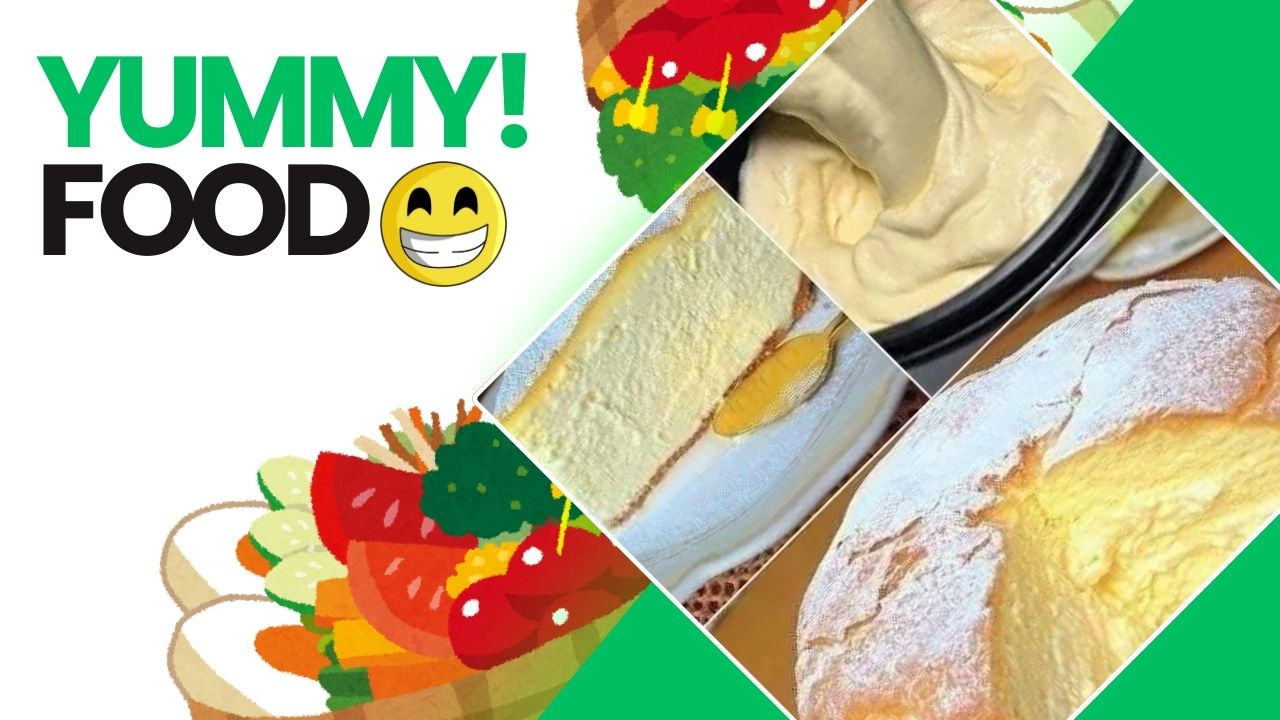
Japanese soufflé cheesecake is a delicate, cloud-like dessert that combines the richness of traditional cheesecake with the airy texture of a sponge cake. Unlike dense Western-style cheesecakes, this version is known for its lightness, subtle sweetness, and melt-in-your-mouth feel. It’s a harmonious blend of cream cheese, eggs, and a touch of citrus, gently baked to achieve a golden top and a soft, jiggly center. The batter is whipped to incorporate air, then baked in a water bath to maintain moisture and prevent cracking.
This cheesecake is often dusted with powdered sugar and served plain, allowing its texture and flavor to shine. It’s ideal for those who enjoy refined desserts that aren’t overly sweet or heavy. The preparation involves a few key techniques—like folding whipped egg whites into the batter and baking slowly with steam—but the result is worth every step. Whether served as a centerpiece for a celebration or a quiet afternoon indulgence, this cheesecake offers a serene, satisfying experience with every bite.
INGREDIENTS:
For the cheesecake:
- 250 grams cream cheese, softened
- 50 grams unsalted butter
- 100 ml whole milk
- 60 grams cake flour (or sifted all-purpose flour)
- 20 grams cornstarch
- 6 large eggs, separated
- 120 grams granulated sugar
- 1 teaspoon lemon juice
- Zest of ½ lemon (optional, for brightness)
- 1 teaspoon vanilla extract
- Pinch of salt
For the pan and baking:
- Butter or oil for greasing
- Parchment paper
- Hot water for water bath
For garnish:
- Powdered sugar (for dusting)
INSTRUCTION:
Prepare the pan:
- Grease a 7-inch round cake pan and line the bottom and sides with parchment paper. Ensure the paper extends slightly above the rim to support the rising cake.
- Wrap the outside of the pan with aluminum foil to prevent water from seeping in during the water bath.
Make the base mixture:
- In a heatproof bowl, combine cream cheese, butter, and milk. Place the bowl over a pot of simmering water (double boiler method) and stir until smooth and fully melted.
- Remove from heat and let cool slightly. Add vanilla extract and lemon zest if using.
- Sift in the cake flour and cornstarch. Mix gently until smooth and lump-free.
- Add egg yolks one at a time, stirring well after each addition. Set aside.
Whip the egg whites:
- In a clean, dry bowl, beat egg whites with a pinch of salt until foamy.
- Add lemon juice and continue beating. Gradually add sugar in three parts, whipping until stiff peaks form. The meringue should be glossy and hold its shape.
Fold and combine:
- Add one-third of the meringue to the cream cheese mixture and stir gently to lighten the batter.
- Carefully fold in the remaining meringue in two parts, using a spatula and gentle motions to preserve the airiness. The batter should be smooth and airy.
Bake the cheesecake:
- Pour the batter into the prepared pan. Tap the pan lightly to release any large air bubbles.
- Place the pan into a larger baking dish. Fill the outer dish with hot water until it reaches halfway up the sides of the cake pan.
- Bake in a preheated oven at 320°F (160°C) for 25 minutes. Then reduce the temperature to 280°F (140°C) and bake for another 40–45 minutes.
- Turn off the oven and leave the cake inside with the door slightly ajar for 15 minutes. This helps prevent sudden temperature changes that cause shrinkage.
- Remove the cake from the oven and water bath. Let cool in the pan for 30 minutes before unmolding.
Serve:
- Carefully peel away the parchment paper. Transfer the cake to a serving plate.
- Dust with powdered sugar before serving. Slice with a warm knife for clean cuts.
SERVINGS:
This recipe yields 6–8 slices, depending on portion size. It’s perfect for small gatherings or as a refined dessert for tea time.
NOTE:
- Room temperature ingredients are essential. Cold cream cheese or eggs can cause lumps and affect texture.
- Use a water bath. This gentle baking method ensures even heat distribution and prevents cracking.
- Don’t overbeat the egg whites. Stiff peaks are ideal, but dry or curdled meringue will not fold smoothly.
- Folding technique matters. Use slow, deliberate motions to preserve the air bubbles that give the cake its lift.
- Oven temperature control is key. Sudden changes can cause the cake to collapse. Bake slowly and cool gradually.
- Pan size affects height. A smaller pan yields a taller cake, while a wider pan produces a flatter version.
- Storage tips: Refrigerate leftovers in an airtight container for up to 3 days. Bring to room temperature before serving for best texture.
- Freezing: Wrap slices tightly and freeze for up to 1 month. Thaw in the fridge overnight.
- Flavor variations: Add matcha powder, cocoa, or citrus zest to the batter for subtle twists.
- Presentation tip: Serve with fresh berries, whipped cream, or a drizzle of fruit syrup for added elegance.
Japanese soufflé cheesecake is a testament to the beauty of simplicity. It’s a dessert that doesn’t rely on heavy flavors or elaborate decorations but instead focuses on texture, balance, and technique. The result is a cake that feels like eating a cloud—soft, moist, and gently sweet. It’s a joy to make and even more delightful to share. Whether you’re new to baking or looking to refine your skills, this recipe offers a rewarding experience from start to finish. The process may seem intricate, but each step builds toward a final product that’s both impressive and comforting. This cheesecake invites you to slow down, savor the moment, and enjoy the quiet elegance of a well-made dessert.